
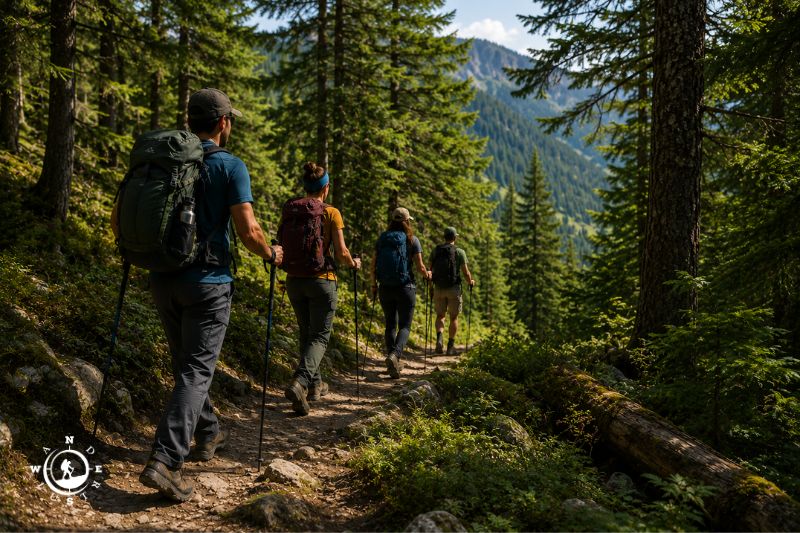
What to Bring on a Day Hike – The Ultimate Hiking Equipment Guide
Day hiking is one of the best ways to explore nature, enjoy mountain trails, and experience the outdoors without the need for complex gear or multi-day preparation. With the right clothing, footwear, and backpack essentials, you can enjoy the trail with greater comfort, safety, and confidence.
One of the most common questions beginners ask is: “What do I actually need to bring on a day hike?”
The answer is not to carry as much gear as possible. The right approach is to choose the appropriate equipment based on the season, trail, elevation, weather conditions, and duration of the activity.
The right equipment is not only about comfort. It plays an important role in safety, body temperature regulation, injury prevention, and overall enjoyment on the trail.
🔶 Why the Right Hiking Gear Makes a Difference
On a day hike, the right equipment is not about overpacking. It is about comfort, safety, and a better outdoor experience.
Mountain conditions can change quickly. Temperatures may drop, winds can become stronger, and even a short rain shower can completely change the feel of the trail.
A properly equipped hiker moves more comfortably, gets tired less easily, stays better protected from changing weather, and enjoys the overall hiking experience more.
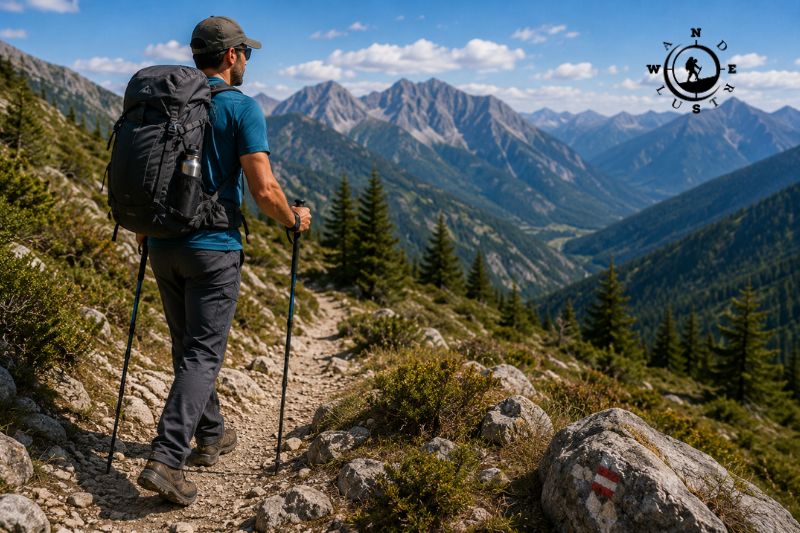
🔶 What to Wear on a Summer Day Hike
Summer hiking in Greece does not always mean easy conditions. Heat, sun exposure, and uneven terrain require smart clothing and gear choices.
• Hiking Footwear
Choosing the right footwear is arguably the most important factor for comfort and safety. For most day hikes, hiking shoes or lightweight hiking boots with good grip and stability are recommended.

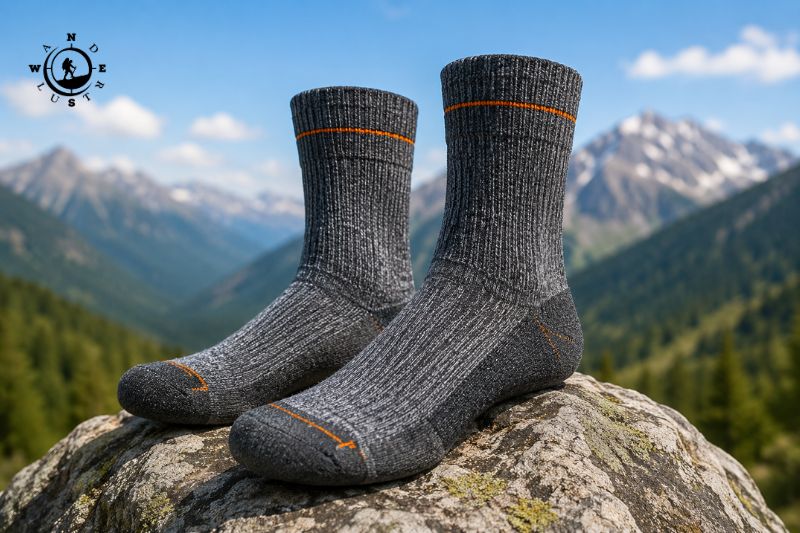
• Hiking Socks Merino or Technical Socks
Cotton socks tend to trap moisture and may increase the risk of blisters. Instead, choose merino wool or technical hiking socks that help manage moisture, reduce friction, and improve comfort. During summer, lightweight and breathable versions are ideal.
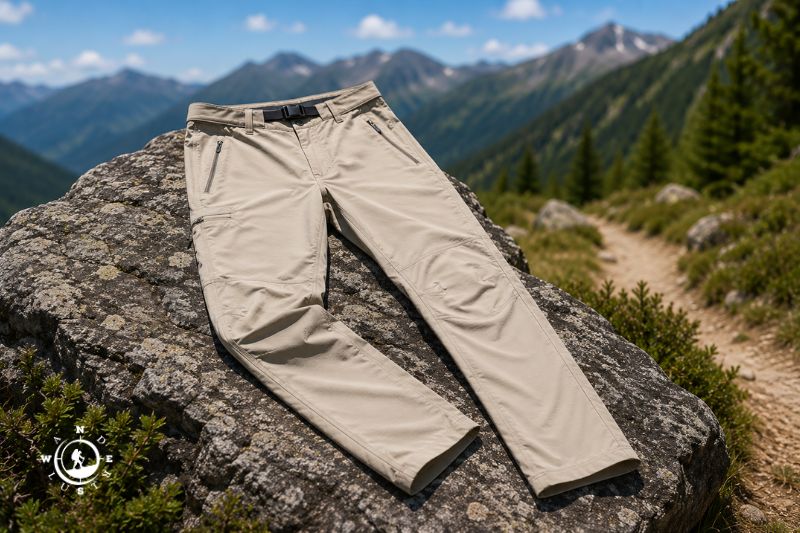
• Lightweight Summer Hiking Pants
A lightweight and breathable pair of hiking pants dries faster, allows freedom of movement, and feels far more comfortable than jeans or heavy cotton fabrics.
• Technical Hiking T-Shirt
You sweat more during a hike than you might expect. For this reason, technical synthetic shirts are usually a much better option than cotton, as they dry faster and remain more comfortable during long walks.

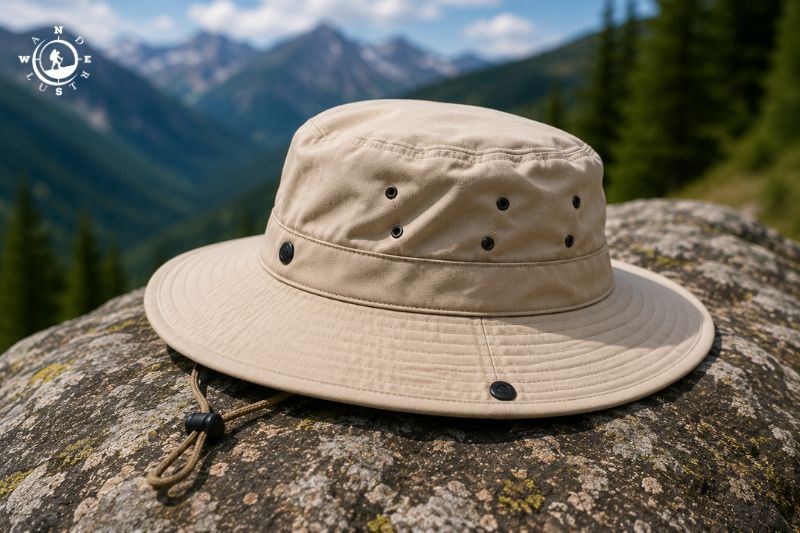
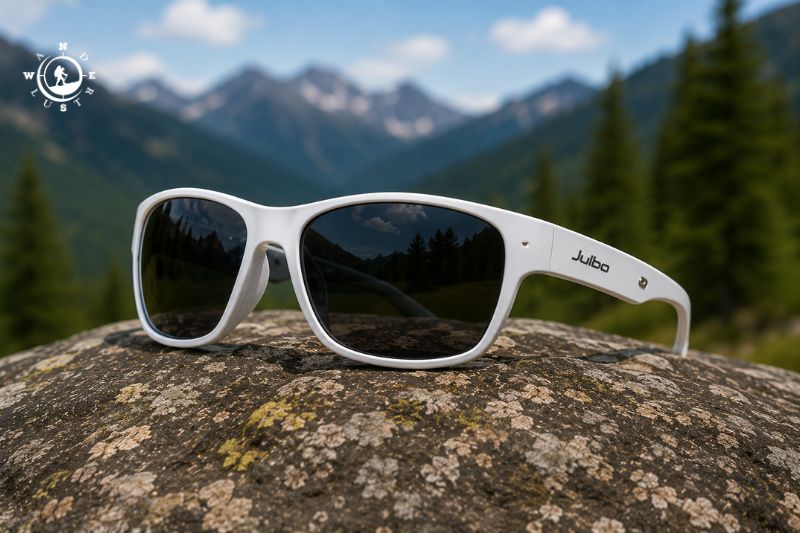
• Sun Hat and Sunglasses
Sun protection is essential, especially during summer hikes or exposed mountain routes.
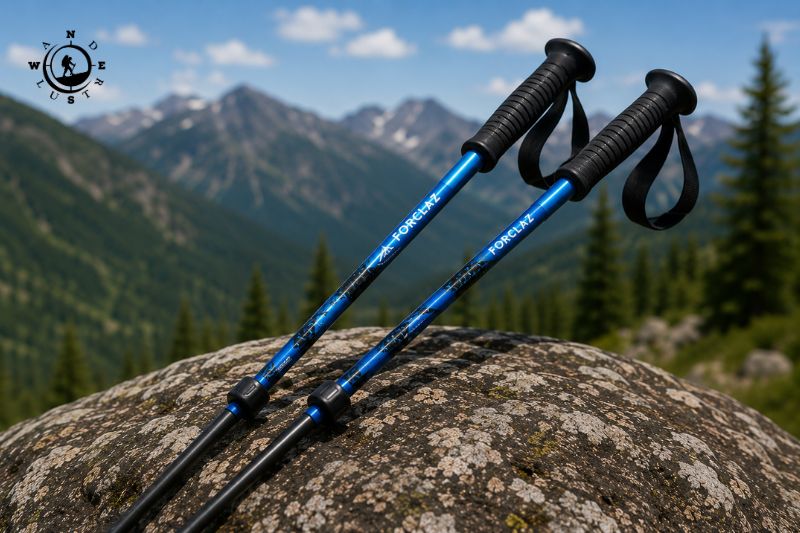
• Trekking Poles
Trekking poles can significantly improve balance and stability, especially on uneven terrain, uphill sections, and long descents.
🔶 What Should Always Be in Your Backpack
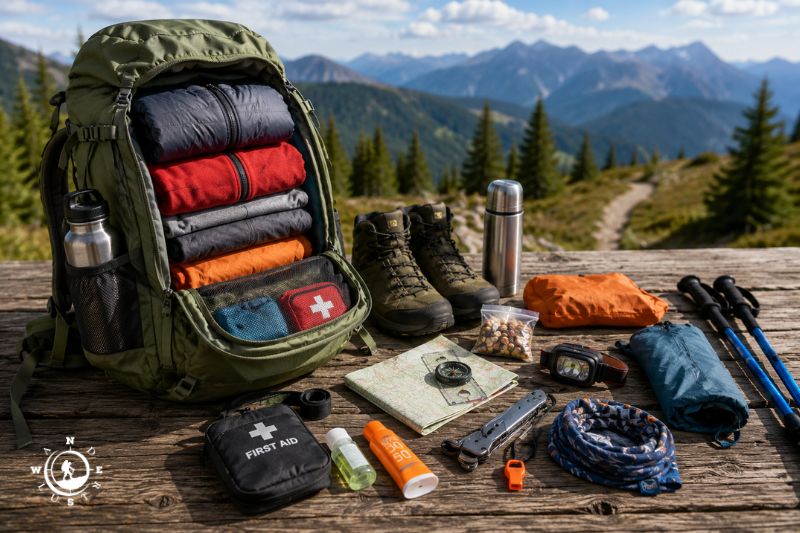
Even on an easy day hike, there are essential items you should always carry with you.
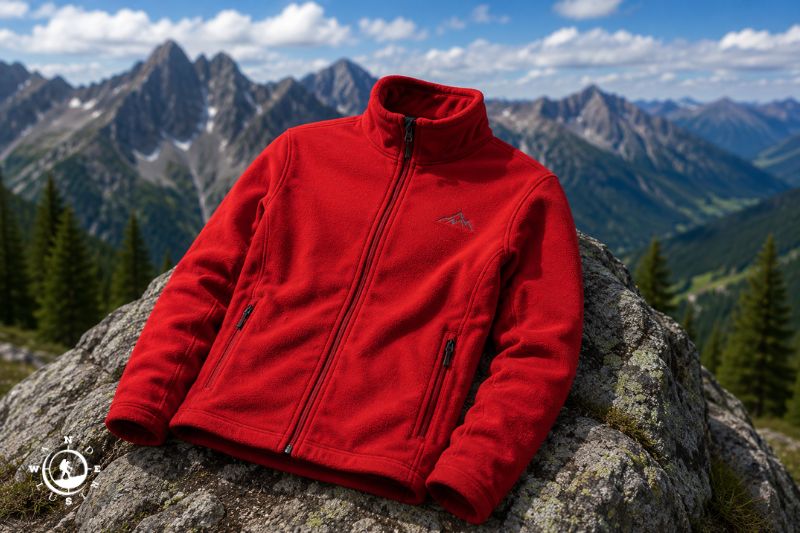
• Fleece or Mid Layer
Even during summer, temperatures in the mountains can change quickly, especially at higher elevations. A lightweight fleece or extra layer is always a smart choice.
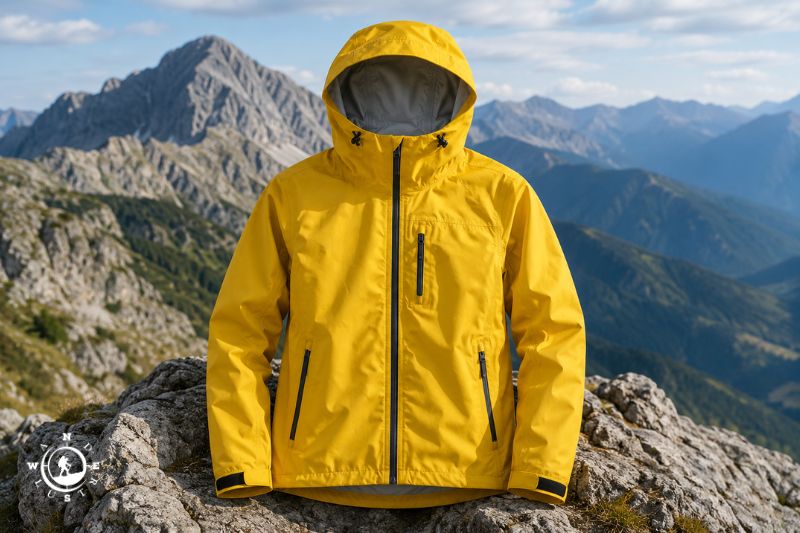
• Lightweight Waterproof Jacket
Mountain weather can change unexpectedly. A lightweight waterproof or windproof jacket takes very little space in your backpack but can quickly become one of the most useful items you carry.
• Essential Items for Every Day Hike
- Water bottle or hydration system
- Snacks, nuts or energy bars
- Headlamp
- Small personal first aid kit
- Sunscreen
- Buff or neck gaiter
- Whistle
- Power bank
- Offline map or downloaded hiking route
- Backpack rain cover, especially in unstable weather
Before starting your hike, it is always a good idea to download your trail route offline, particularly in areas with poor mobile signal.
🔶 Winter Day Hiking: What Changes in Your Gear
Winter hiking requires a different approach compared to summer. Cold temperatures, wind, humidity, and occasional snow mean that proper clothing is not just about comfort — it is also about safety.
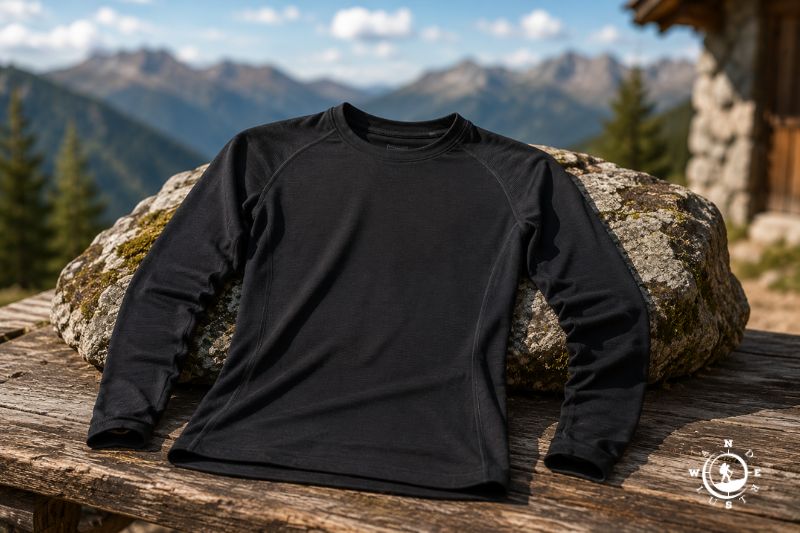
• Thermal Base Layer
A thermal base layer is the foundation of your winter hiking clothing system. Its main purpose is to move moisture away from your skin while helping maintain body temperature.
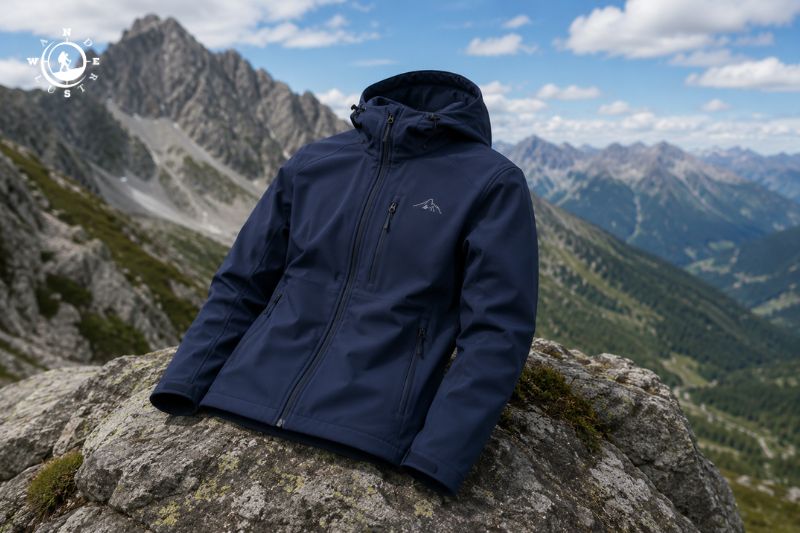
• Softshell or Warm Fleece
Your second layer provides insulation and protection from wind, while still allowing freedom of movement. The best choice depends on the season, temperature, and trail conditions.
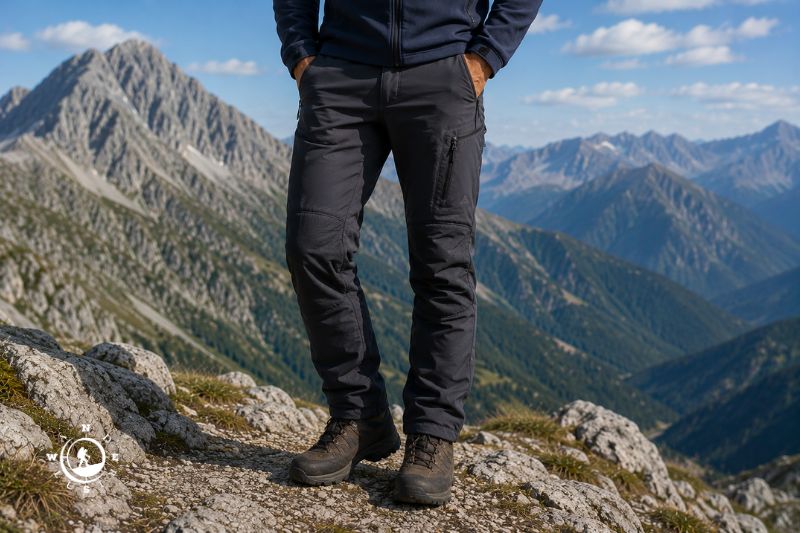
• Winter Hiking Pants
During colder months, lightweight summer pants are often not enough. A more durable hiking pant with water resistance and better wind protection is usually a smarter option.
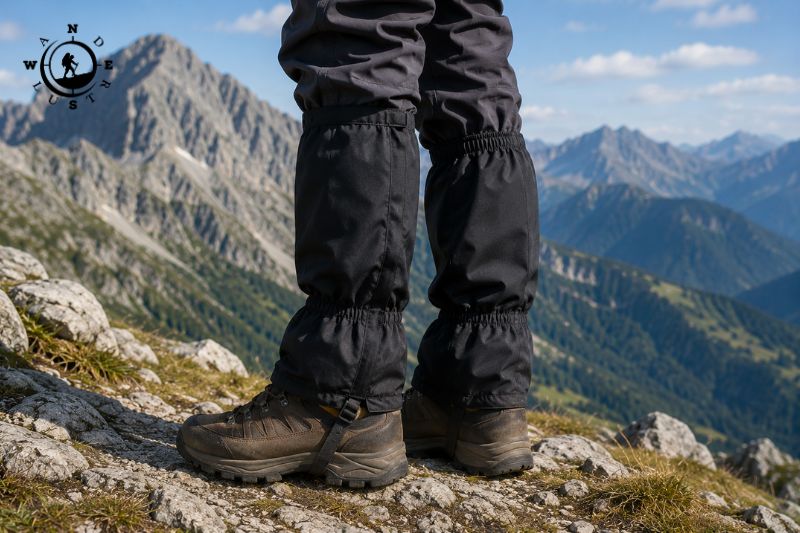
• Gaiters When Needed
On snowy, muddy, or wet terrain, gaiters can be extremely useful. They help keep moisture out of your boots and protect socks and pants.
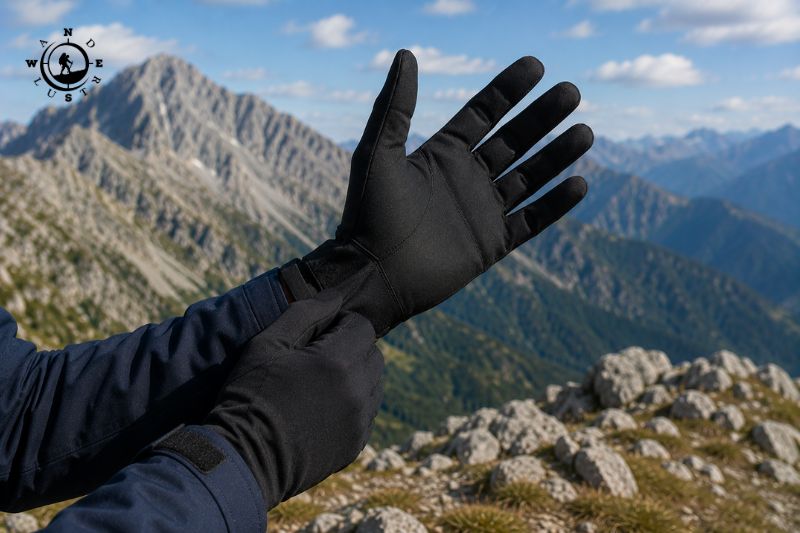
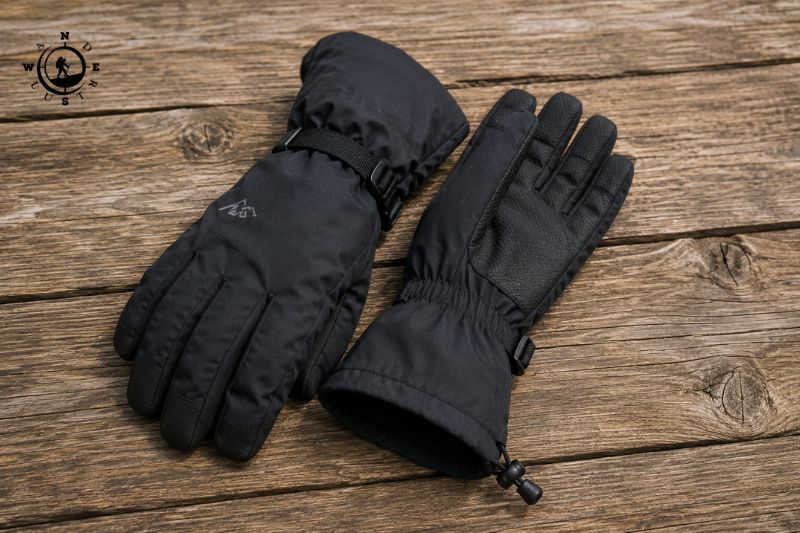
• Liner Gloves and Waterproof Gloves
Hands are among the first body parts affected by cold temperatures. A thin liner glove offers basic warmth and better dexterity, while an outer waterproof glove protects against rain, wind, and colder temperatures.
• Beanie or Warm Hat
In cold and windy mountain conditions, protecting your head is essential. A lightweight but warm hiking beanie is often one of the most useful winter essentials.

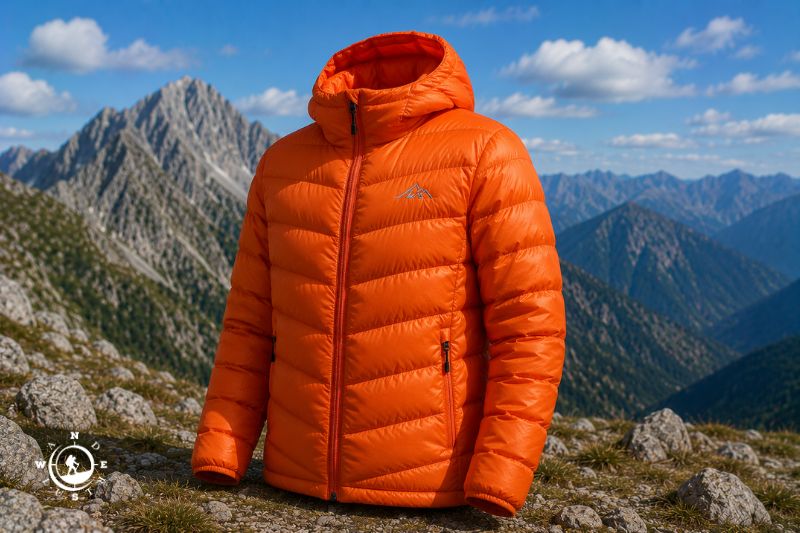
• Lightweight Insulated Jacket
During breaks, summits, or colder conditions, an insulated jacket can make a significant difference. You may not wear it during movement, but it is highly recommended to keep one in your backpack.
🔶 Common Mistakes Beginner Hikers Make
Even small mistakes can turn an enjoyable hike into an uncomfortable experience. Fortunately, most of them are easy to avoid.
- Carrying an unnecessarily heavy backpack
- Wearing cotton clothing that traps moisture
- Bringing too little water, especially during warmer months
- Ignoring changing weather conditions
- Using brand-new gear without testing it first
🔶 Useful Backpack Organization Tips
A properly organized backpack makes hiking more comfortable and practical.
- Keep heavier items close to your back
- Store frequently used items where they are easy to access
- Keep your waterproof jacket near the top of your backpack
- Always place your first aid kit in a fixed and familiar location
- Avoid carrying unnecessary items
🔶 Our Approach to Hiking Equipment
The recommendations in this guide are based on years of experience leading outdoor hiking activities, combined with international day hiking and outdoor safety practices used by recognized outdoor organizations.
Every hike is different, and equipment should always be adapted based on season, terrain, elevation, and weather conditions.
🔶 Conclusion
Day hiking does not require expensive or excessive gear. What truly matters is proper preparation and making smart equipment choices.
With the right clothing, appropriate footwear, and a well-organized backpack, you can enjoy nature more comfortably, safely, and confidently.
The most important thing to remember is that every hike is different. Adjust your gear according to the season, terrain, and weather conditions.
Nature becomes even more rewarding when you are properly prepared to experience it.
✍️ Article by George Koumpakis

